16 February 2026 10:00
Clear, elegant, vertical lines and a touch of eccentricity: these are some of the stylistic characteristics of Scottish architect Charles Rennie Mackintosh (1868-1928). Mackintosh designed buildings as well as furniture. Many of his designs are a great source of inspiration for The Blue Art Barn.
Arts and crafts
Mackintosh is regarded as an important representative of the arts and crafts movement, an art movement that emerged in England in the latter half of the 19th century. The arts and crafts movement arose as a reaction to industrialisation and the mass production that accompanied it, and aimed to combine art and craftsmanship. Stylistic, linear forms inspired by nature were characteristic of this movement. The Jugendstil and Art Nouveau art styles emerged from this movement.
Mackintosh founded the artists' group The Four, also known as The Glasgow Four, together with three other artists. The Glasgow Four was inspired by Celtic mysticism, the lines of Jan Toorop, but also by Scottish neo-Gothic (source: architectenweb.nl). This diversity of inspiration makes Mackintosh's work impressive, unique and timelessly classy.
Important buildings
Glasgow is home to beautiful architectural objects designed from top to bottom by Mackintosh. Common motifs in his work were the rosebud, often combined with elegant vertical lines. In 1900, Mackintosh and his wife Margaret designed two large plaster panels to decorate the famous Ingram Street Tea Rooms in Glasgow. The title “The Wassail” refers to the feast traditionally held on Halloween at the end of the harvest season.
Interior designer
The interior designs of Mackintosh and his wife were worked out in detail, from furniture to lighting and wallpaper. Stylised designs, often combined with elegant vertical lines, are characteristic of Mackintosh. The “Mackintosh Rose” has become world famous for its simple but striking design.
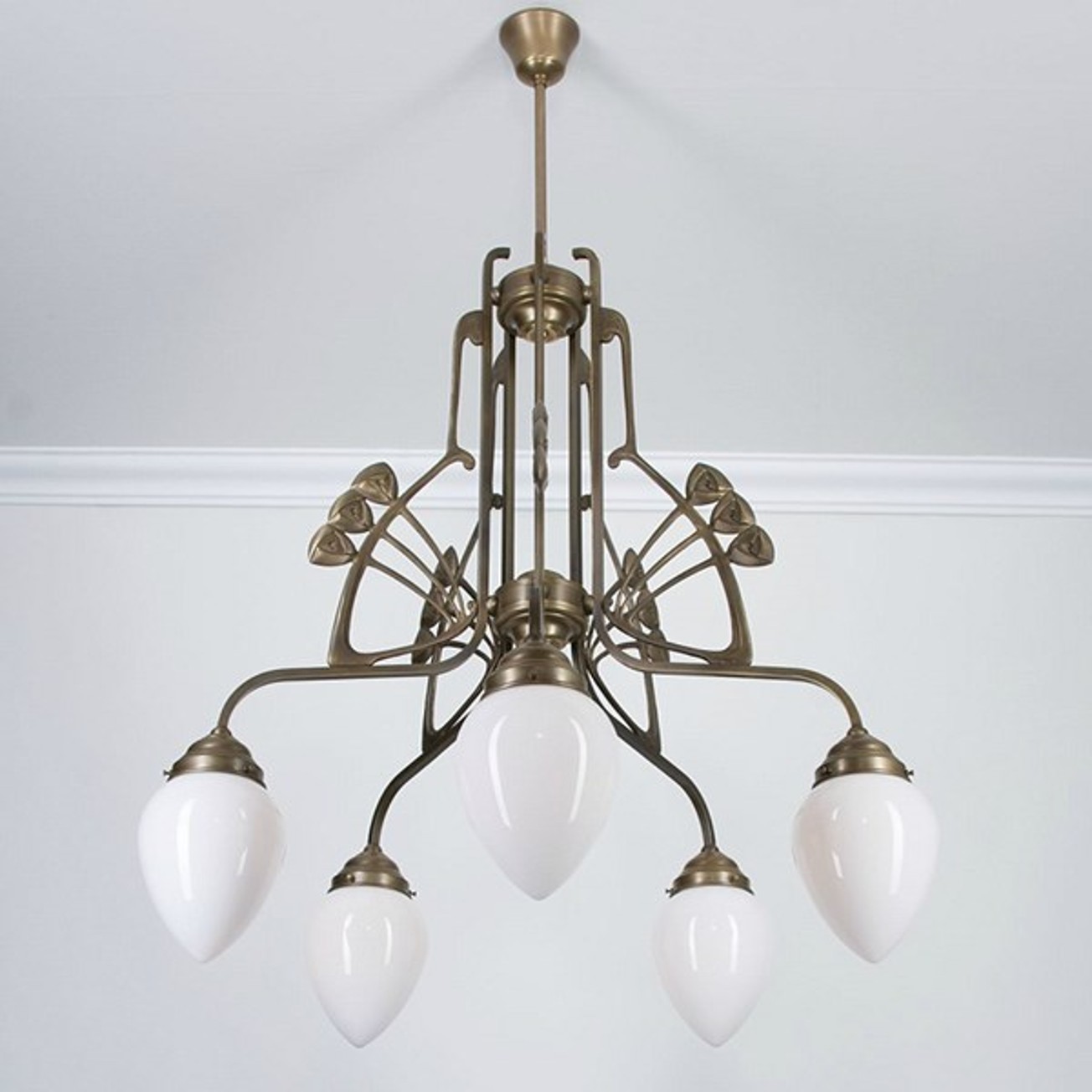
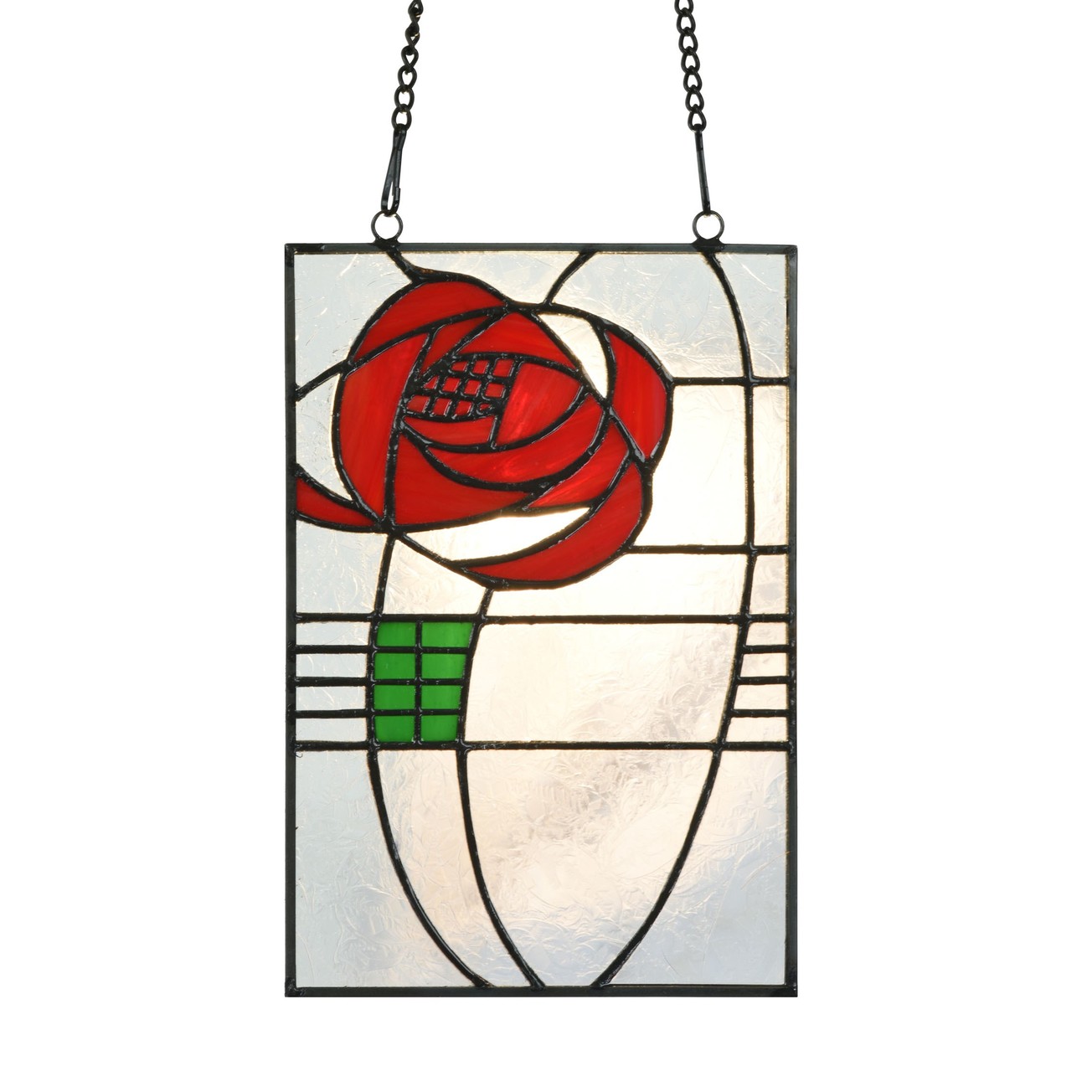
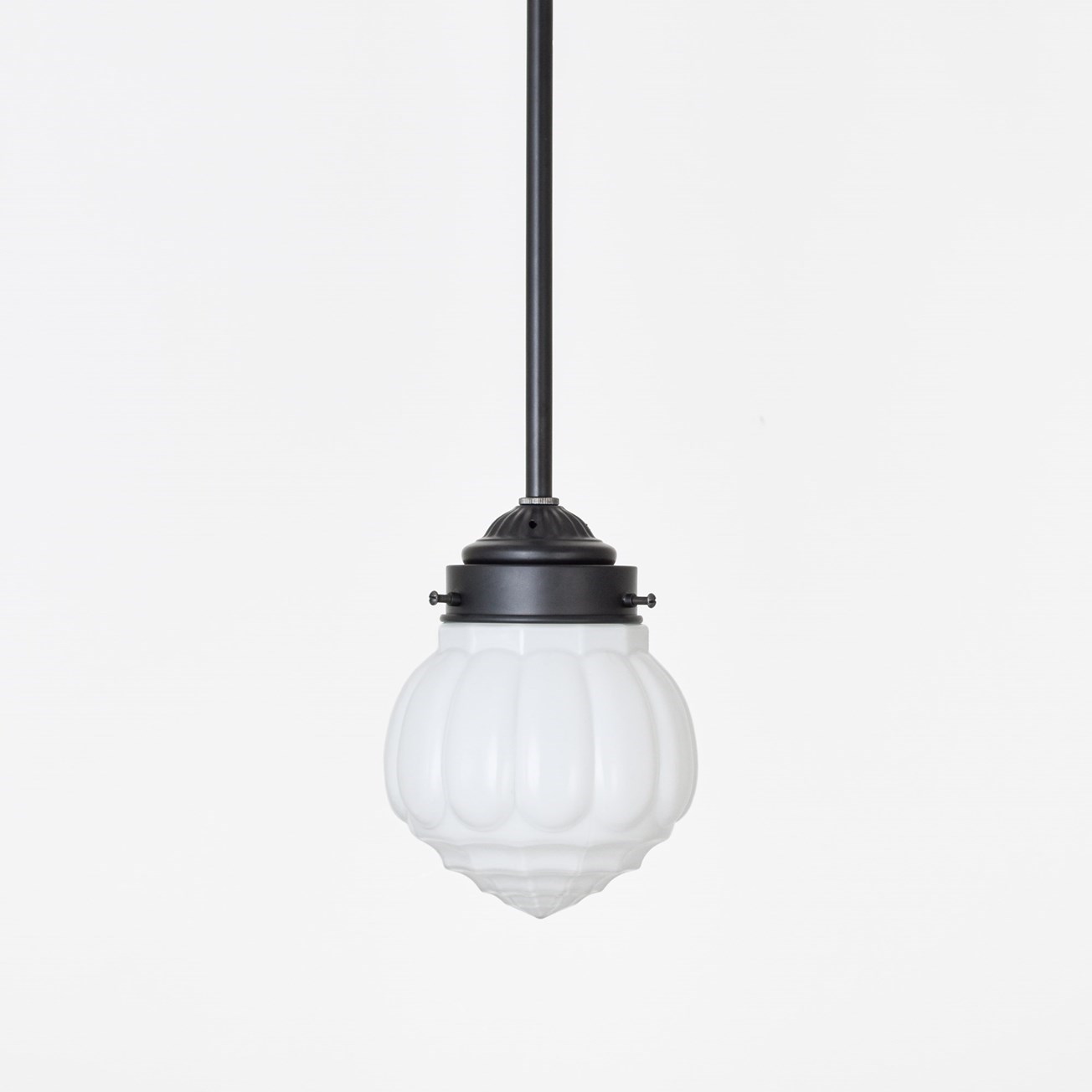
The rose and Mackintosh's characteristic lines are combined in a number of artistic lamps and a Tiffany panel. Exclusive and very special!
The two large plaster panels that the couple designed in 1900 for the famous Ingram Street Tea Rooms in Glasgow were the inspiration for the Wassail lamps by Art Deco Trade. Perfect for decorating your interior in style!
 ordered before 12:00, shipped today
 customers review us with 4.8/5
 🧡 Romantic Tulips


 Send us a WhatsApp text
