14 July 2025 16:00
Towards the end of the 19th century, the arts-and-crafts movement transformed into the Jugenstil movement. The name comes from the art and literary magazine “Die Jugend”, published in Munich from 1896 onwards. The magazine stood out for its quirky layout and contributed to dialogue about beauty and art, as well as social issues.
Whiplash line
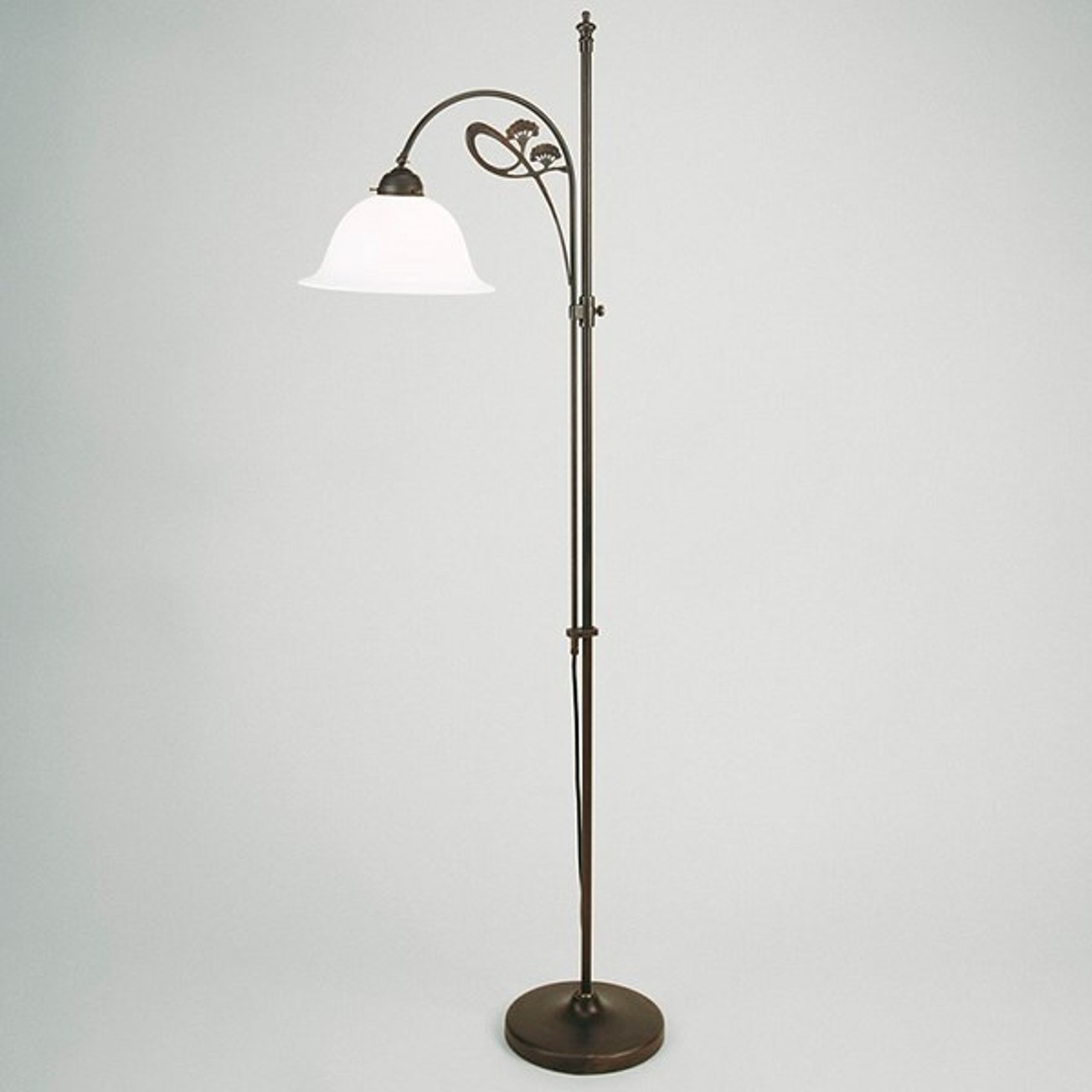
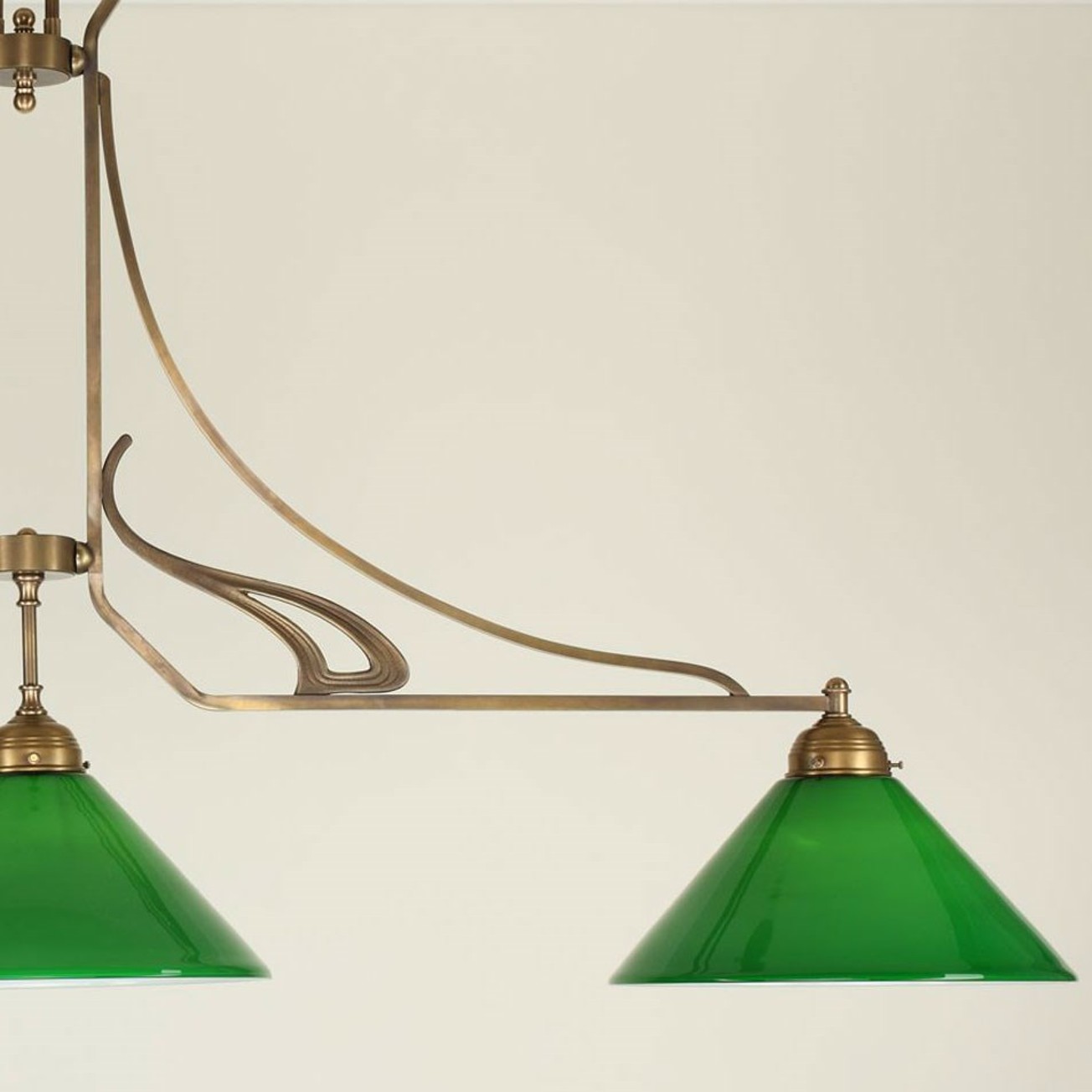
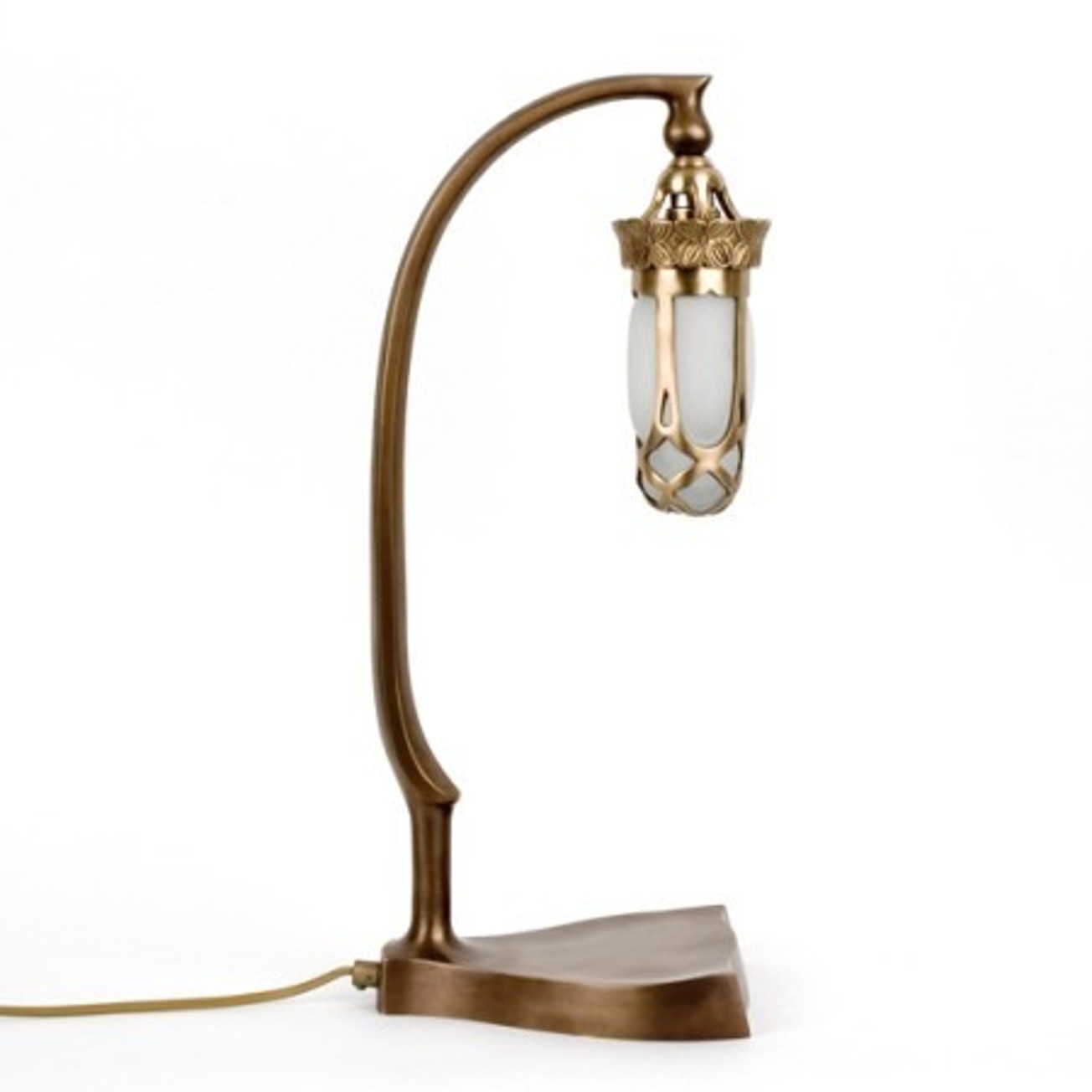
Wavy, asymmetrical lines, often inspired by plants and flowers are characteristic of the Jugendstil style. The sweeping lines are reminiscent of the movement of a whip and give a sense of movement and dynamism. Whiplash lines were widely used in ornaments, stained glass, furniture, jewellery and other decorative arts. From the vernacular, it is also referred to as spaghetti style.
Nature as a source of inspiration
Graceful wavy lines of plants are often the starting point for Jugendstil designs. Consider, for instance, the wild plant cow parsley and its “screens” made up of several flowers. Lamps equipped with this kind of floral decoration create the typical Jugendstil feeling. The shape of the shades is also derived from nature and reminiscent of a mushroom.
Geometric Jugendstil
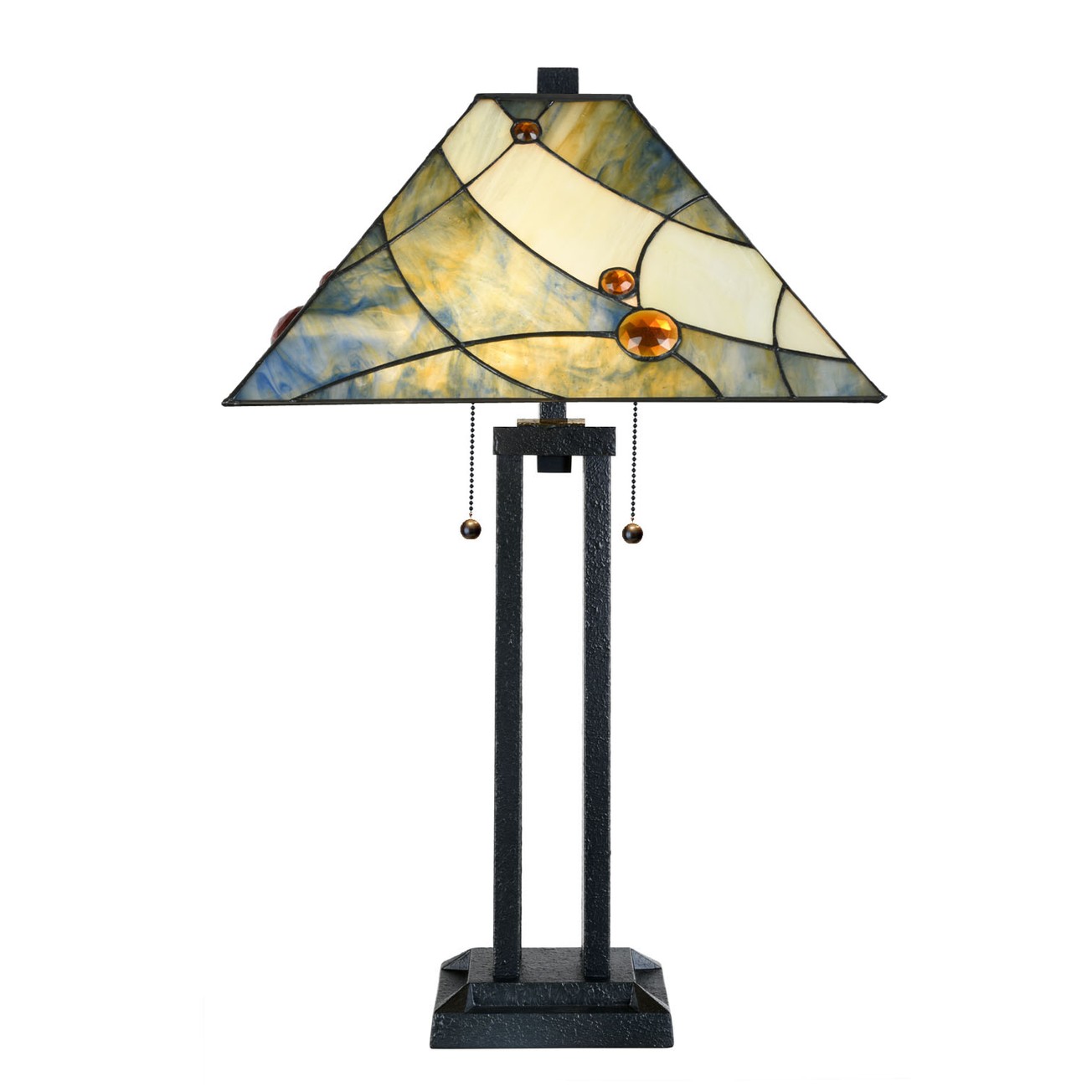
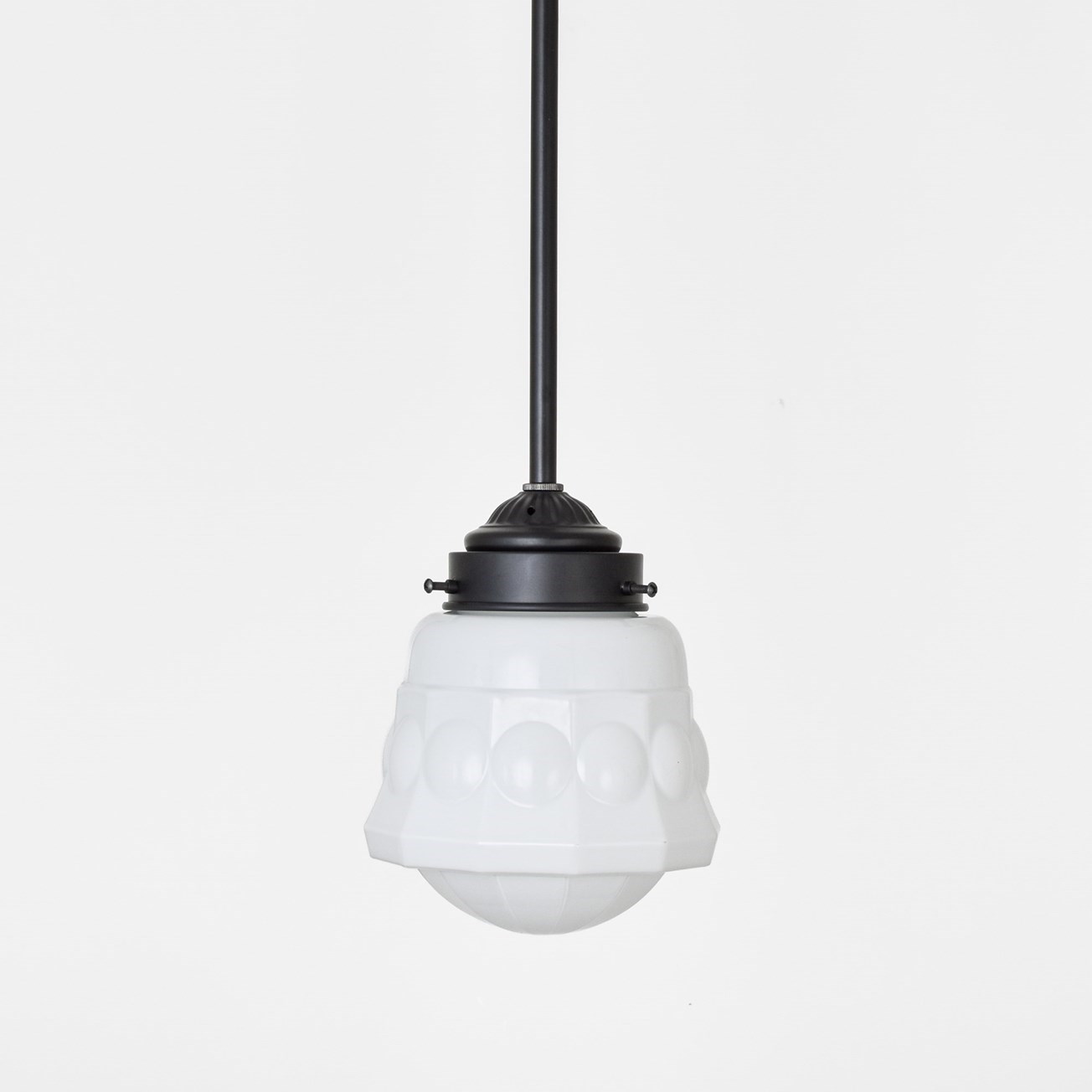
Another popular form of decoration consisted of geometric figures, sometimes in the form of cubes or a series of cubes. All this combined with the wispy and dashing lines characteristic of Jugendstil.
Fan languages
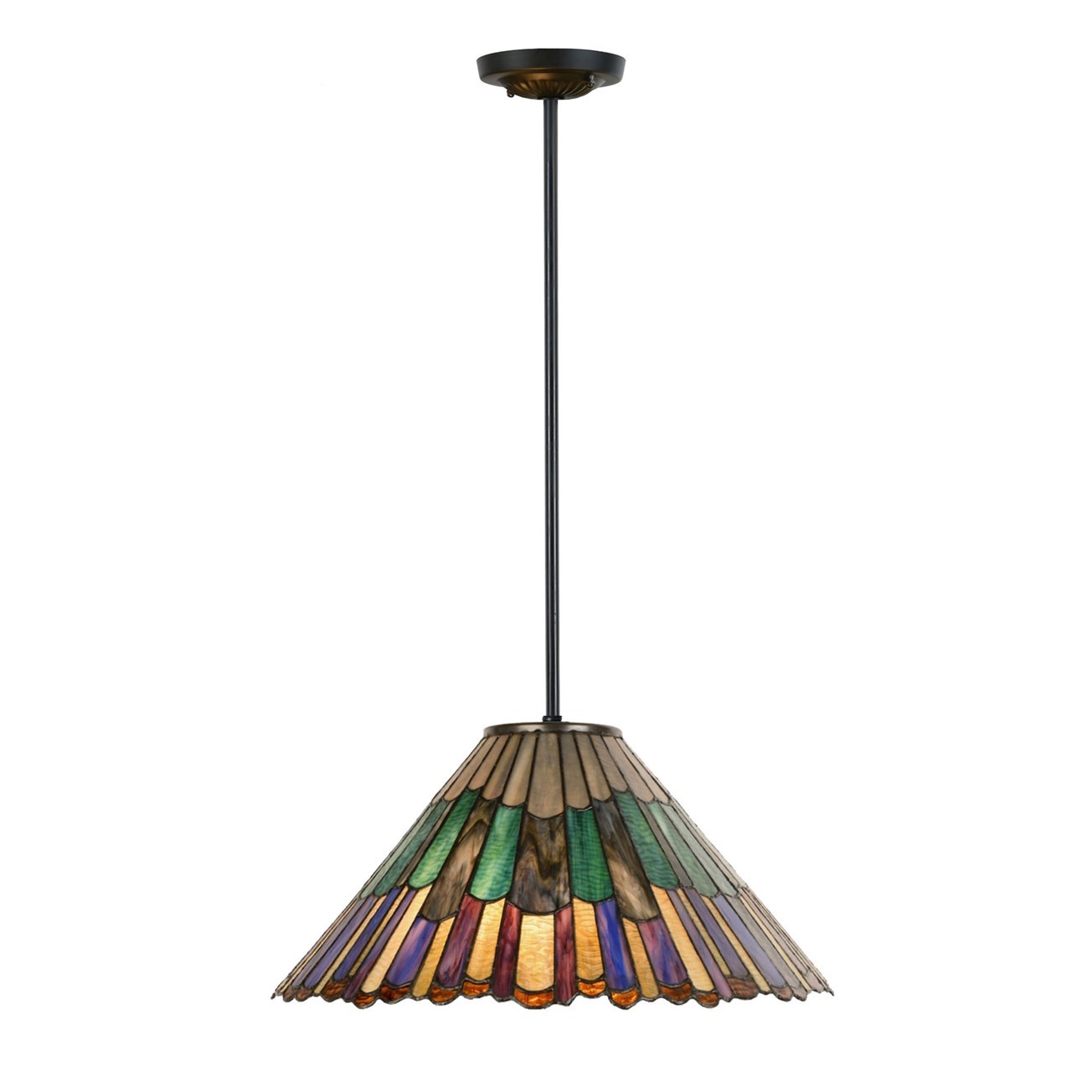
Back in the days fans were used as a means of communication and were a tool in the art of seduction. Ladies could use them to give discreet signals. Fan shapes were popular in Jugendstil. The timeless motif looks modern and remains persistently popular. The Tiffany shades in Coloured by Art©'s Styled Flower series resemble a budding flower, but are also reminiscent of the feathers of a peacock in full glory.
For those who are still looking for a cultural holiday destination, the German town of Weimar and its surroundings are definitely recommended. There are a number of streets with interesting Jugendstil buildings. Many are designs by Rudolf Zapfe. Also worth mentioning is that the great Belgian designer Henri van de Velde left his mark on the famous city.
You will look at The blue Art BarnLighting collection with different eyes. Be inspired!
 ordered before 12:00, shipped today
 customers review us with 4.8/5
 🧡 Romantic Tulips


 Send us a WhatsApp text
